
Music, Thoughts
The Neighbourhood: Why Did We Love Them
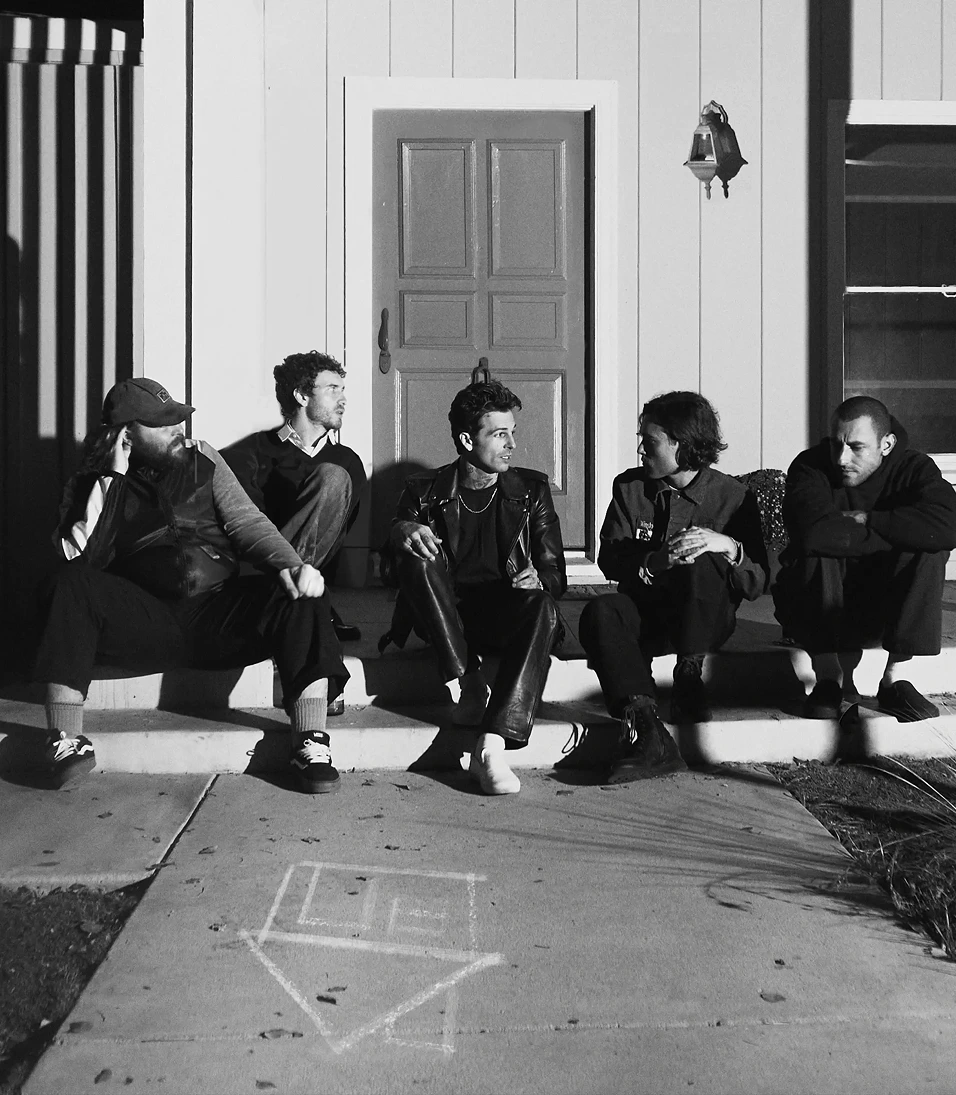
The Neighbourhood: (((((ultraSOUND))))) album era
This is a band whose sound, lyrics, and atmosphere have resonated deeply with many of its listeners. They emerged during the rise of Instagram filters and the wave of recognizable California indie sound that began with Lana Del Rey in the early 2010s. Let’s break down why this band became so beloved and what makes it unique.
Jesse Rutherford: the man who set the atmosphere
What The Neighbourhood eventually became is a direct result of their vocalist and his past artistic work. Jesse had always been a creative person and began expressing himself as a musician as early as 2011. On SoundCloud, you can find the reuploaded album Truth Hurts Truth Heals, where Jesse performs West Coast hip-hop mixed with R&B; — a sound unusual for what we now know him for. Jesse’s affinity for hip-hop and the R&B; scene would later reappear in his experimental solo projects and influence The Neighbourhood’s style.
Formation: the first EPs
The debut EP I’m Sorry… and the following album I Love You. reflect the youth of a rising California band — and Jesse’s youth in particular. They created their own West Coast aesthetic: black-and-white visuals, anxiety, hopelessness, addictions, and the confusion of trying to love without pain. A defining trait that set the tone for their music was the guitar riffs — they built the signature melancholic mood that would echo throughout all of their albums.

"#000000 & #FFFFFF" and "The Love Collection" Covers
The important work that came after
The band’s discography is often discussed in terms of I Love You. followed by the second studio album Wiped Out!, while overlooking The Love Collection and the EP/mixtape set #000000 & #FFFFFF. The Love Collection resembles early Jesse from his first solo projects — heavy on R&B; and hip-hop influences. It consists of just three tracks: in the first two, Jesse talks cynically about life in California, its dark sides, money, and drugs. The final track, $TING, leans more toward the I Love You. atmosphere — exploring abusive love and regret, but without the self-destructive tone of the album. Most likely, that’s why this collection was released separately — it didn’t quite fit the concept of I Love You. It also clearly showcases the black-and-white motif as a metaphor for everything around us and how one thing can appear as another. We’ll return to the topic of colors and how they shape the band’s mood — and how these meanings evolve from album to album.
The peak of anxiety: Wiped Out!
Wiped Out! is the perfect continuation of the previous album’s concept. The sound is similar, but the growth is noticeable: the music is more complex, and California’s presence is stronger — waves crashing, seagulls screaming, cars sampled beyond recognition. All of it conveys emptiness and the mental struggles Jesse shares in his lyrics. The central theme of the album is Jesse’s personal trauma — Daddy Issues. It’s both the most popular track and an essential, vulnerable topic for Jesse, as he opens up about losing his father too young due to alcoholism. Ten years later, he revisits this theme in the anniversary edition through the track Cinnamon, where he reflects on family issues and the importance of remembering others. The song is short but leaves listeners with questions — each interpreting it in their own way.
The Neighbourhood gains color
Two years later, the band returned with a new EP — and then another — eventually forming the self-titled album The Neighbourhood. The lyrics, once centered solely on painful love and trauma, didn’t disappear but were now accompanied by acceptance of their own toxicity and the ability to live with it. They revisit dependent and abusive relationships, but this time through irony and acknowledgment.
In their third studio album, both the cover and music videos finally introduce color. It feels like a sign of growing up: not everything is black and white anymore — now there are complex, dark, but still colorful shades. The Scary Love music video marked this transformation: the first appearance of color in their visuals. Muted scenes with acid-toned color grading convey the world inhabited by Tommy Wiseau’s character — and by extension, the whole band. It’s a world of intense, toxic love dissolved in darkness.
Text block is empty in the migrated content.
Now in full color
Their fourth studio album, Chip Chrome & The Mono-Tones, revealed the band’s complete visual transformation. Many fans were wary or upset — after all, they fell in love with the band for its black-and-white California atmosphere, and now everything had color. But the colors were still in The Neighbourhood’s style: film-like, muted, slightly sepia, as if shot in the ’80s. At the same time, not all of the music videos are done in a single style: there is room for both animation and modern color digital filming, which looks unusual and unconventional when you consider their overall visual sequence. Jesse himself remained monochrome — the “gray” character — while the rest of the band were faceless, hidden behind plain black fabric masks. This symbolized a world growing more complex and full of shades, while Jesse remained unchanged — only more ironic and cynical. Yet the band matured: mental struggles were acknowledged and lived through, and the exhaustion of loving the same way as before had settled in. The sound shifted too: acoustic guitar moved to the forefront. At times, the calm acoustic melodies and vocals echoed Jesse’s solo album GARAGE&, almost intentionally. Overall, the music expressed a desire for life, a willingness to change, and an effort to become a better version of oneself through self-irony and acceptance of one’s imperfections.
This album stands apart from the rest of The Neighbourhood’s discography — visually, lyrically, and sonically. It’s more experimental and received mixed reactions, but it firmly marked the band’s growth and their transition into a new life chapter.
Text block is empty in the migrated content.
The hiatus and Jesse’s solo projects
After this album, the band went on hiatus. The members described it as a time to focus on themselves and their families, reflect on the future, and make plans. Only Jesse didn’t rest — during this period he managed to release two albums, experimenting with sound and image: from the R&B; hustler persona on &ONE; to the sensitive, melodic bearded gentleman on Wanted?.
An interesting detail surfaced while writing this article: Jesse liked playing not only with colors but also with the naming of his releases, creating connections between them. Before the third album, the band released two EPs: Hard and To Imagine. These EPs later evolved into The Neighbourhood album, and then into its expanded edition combining all three titles — plus Ever Changing:
Hard To Imagine The Neighbourhood Ever Changing.
This pattern also appears in Jesse’s solo work: he has three records released in strict order — &, GARAGE&, &ONE; — united by the ampersand, hinting that they are parts of one story.
This pattern also appears in Jesse’s solo work: he has three records released in strict order — &, GARAGE&, &ONE; — united by the ampersand, hinting that they are parts of one story.

(((((ultraSOUND)))))
In 2025, the band unexpectedly announced their return, posting several Instagram stories in August showing them working on new music. A couple of months later, they dropped several singles from the upcoming album — and then released the full record in November under the name (((((ultraSOUND))))).
This album represents everything they went through, what they came to understand, and who they ultimately became. Having survived destruction in Wiped Out!, they reached acceptance and reflection — maturity and self-awareness. The album preserved the charm that made I Love You. and Wiped Out! beloved, yet the sound remains truly unique. The lyrics are less straightforward and filled with metaphors, letting each listener interpret them differently. The themes of love dependency remain, but now love intertwines with the image of a lonely road — passing into extremes and obsession.
If the first four studio albums reflect the band’s formation and personal growth, the fifth serves as a kind of summation of where they are now and what they’ve achieved. The music has matured; the lyrics hold more love but also the familiar bittersweet melancholy of The Neighbourhood — only now without past tragedies. The music is filled with hope for the future, even amid the difficulties of the present.
Text block is empty in the migrated content.
Text block is empty in the migrated content.