
Indie Sleaze
Indie Sleaze: now and then

photo by Mark Hunter
Let’s start with an interesting fact: in the photo above are Charli XCX and The Dare. Both artists lived through the original indie sleaze era, recording electro-pop and indie rock at the time. In 2024, they crossed paths again by releasing the track Guess together — effectively finding themselves at the heart of the indie sleaze renaissance.
For the past five years, fashion has been dominated by the aesthetics of the 2000s: Y2K, digital cameras, baggy jeans, tight tops, tattoo-group vibes, and the look of early social media. Now we’re entering the next turn of the cycle — indie sleaze. Unlike Y2K, millennials are unlikely to feel nostalgic about it or want to “return” to it, simply because they remember the 2010s too well. Vintage Instagram filters, old phones with weak sensors, parkas, cardigans, the cheapest classic-cut blazer from H&M;, worn leather jackets — for them, this isn’t an aesthetic, but a relatively recent reality.
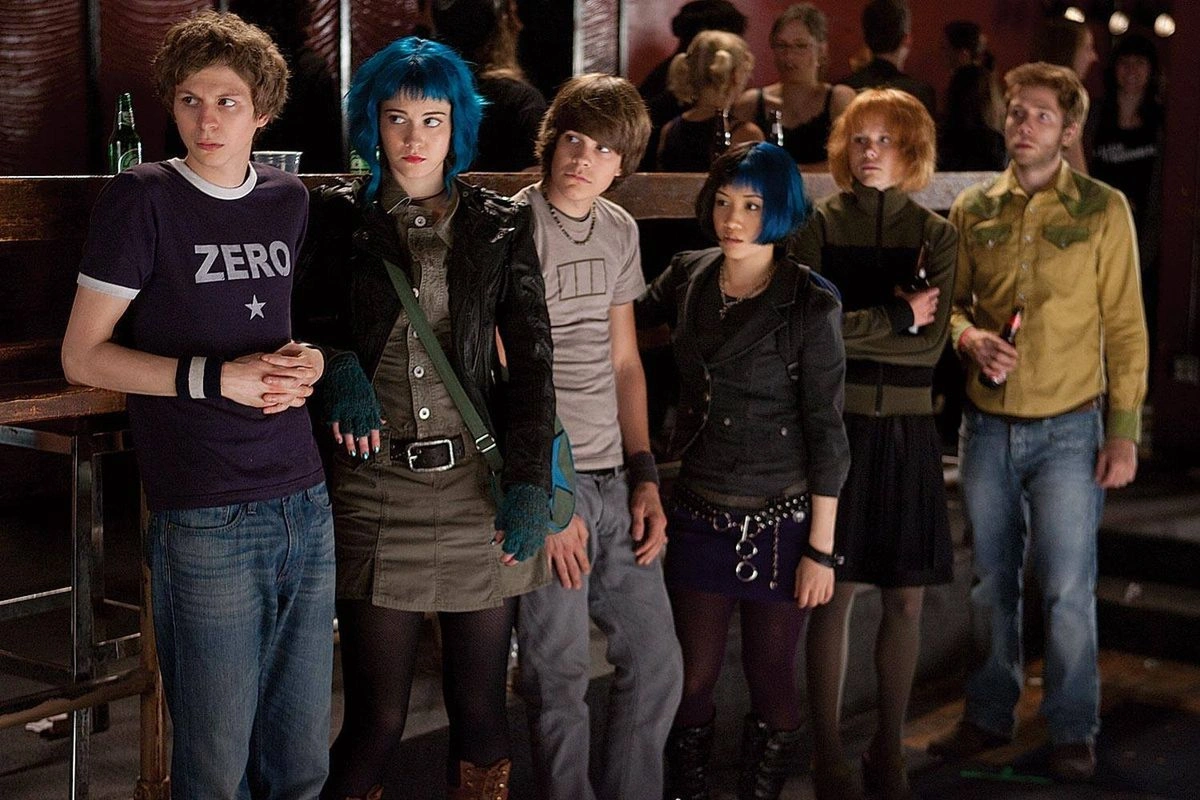
Movie: Scott Pilgrim vs. the World
For Gen Z, however, this is already an unfamiliar visual code. That’s why they’re actively pushing looks that were mainstream 15 years ago. At the same time, indie sleaze is hard to define precisely — it never had strict boundaries. For some, it’s aesthetic of The Strokes, Interpol, The xx, The Last Shadow Puppets; for others, it’s party music, festival outfits, dirty glamour, and deliberate messiness. This blurriness and lack of a rigid canon are exactly what make the aesthetic flexible and alive, allowing it to adapt easily to the present.
Indie sleaze today isn’t about recreating the past — it’s more about reinterpreting the present. It’s part of a broader fashion cycle in which genuinely new forms are becoming rarer, and trends are increasingly built on reworking old silhouettes and moods. At the same time, contemporary indie sleaze doesn’t imply listening to the same music as during its original era. Today, outfits are mixed: wardrobes already contain pieces from the recent Y2K wave, so indie sleaze is styled in a new way.
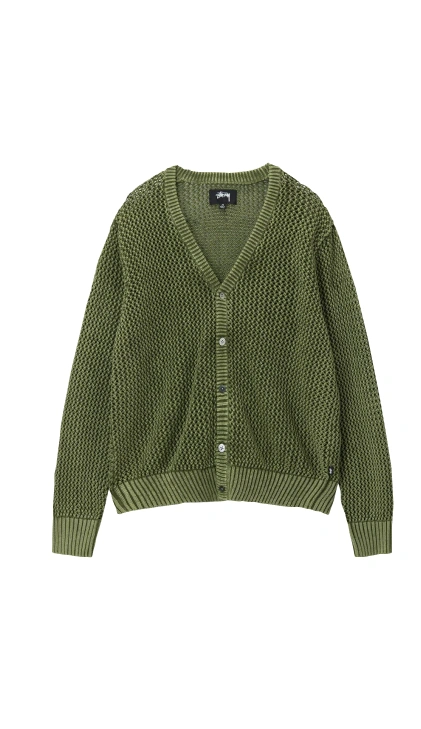

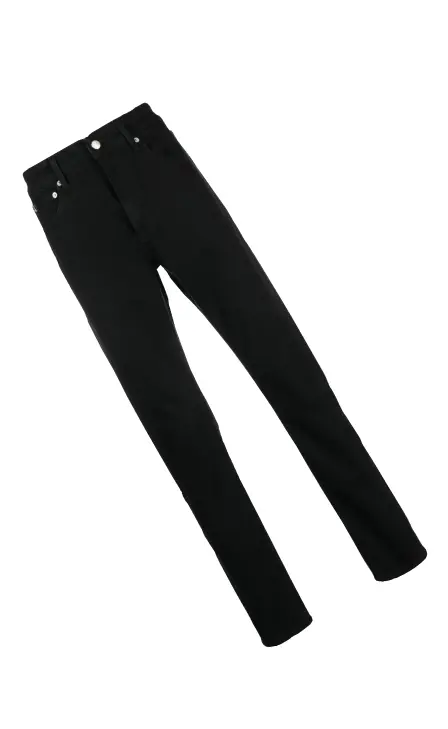

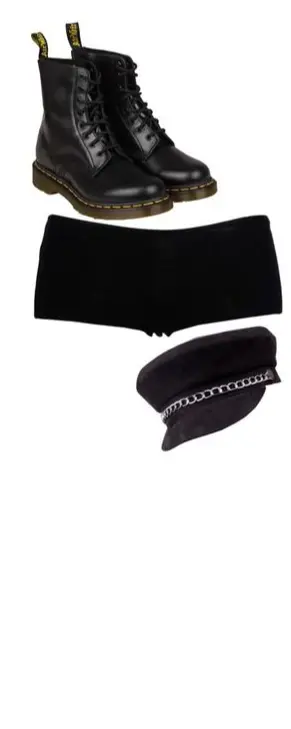
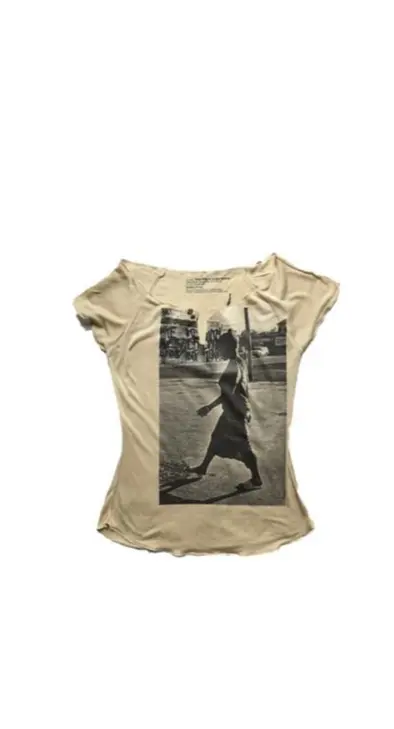
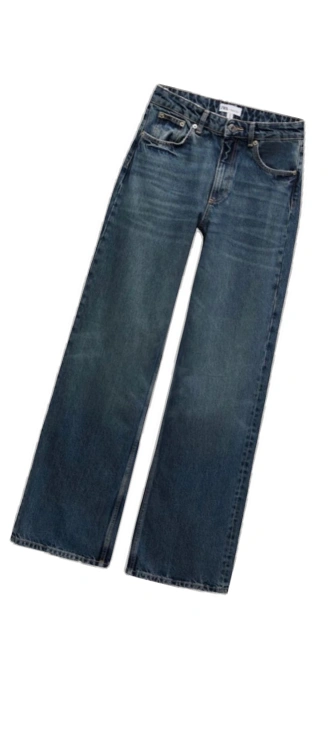
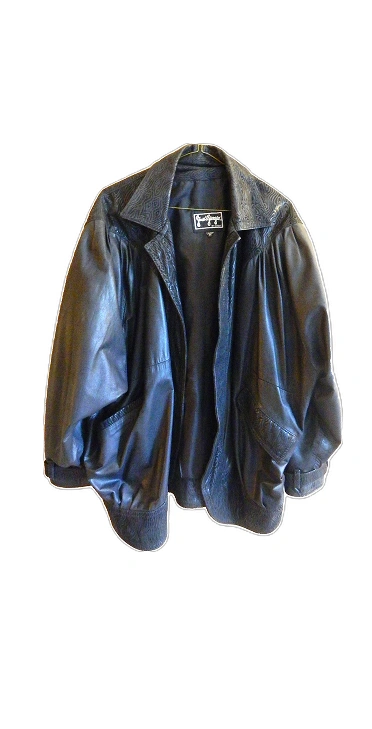
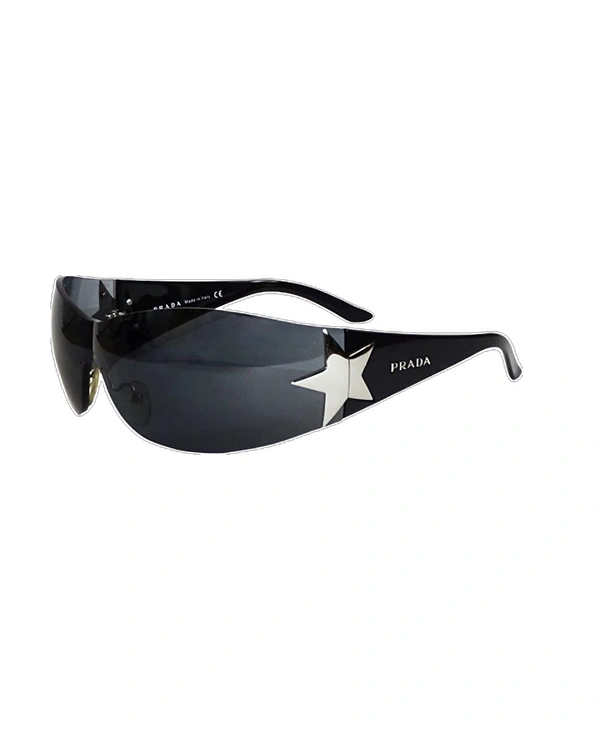
Previously, indie sleaze could be described through cardigans, straight-cut jeans, and Doc Martens — creating a distinctly British accent. Today, the style has become more hybrid. It doesn’t aim to be cohesive or “pure”; rather, it’s a set of recognizable elements that can be easily integrated into other aesthetics.
The same applies to music. Indie sleaze was once associated primarily with alternative rock — Interpol, Arctic Monkeys, Foals, Yeah Yeah Yeahs — and to a lesser extent with electronic and pop artists like M83 and Charli XCX. Today, the musical backdrop has expanded, the narrative has shifted toward electro-pop, but the mood remains the same: casual carelessness, a party atmosphere, and a lack of interest in sonic perfection.
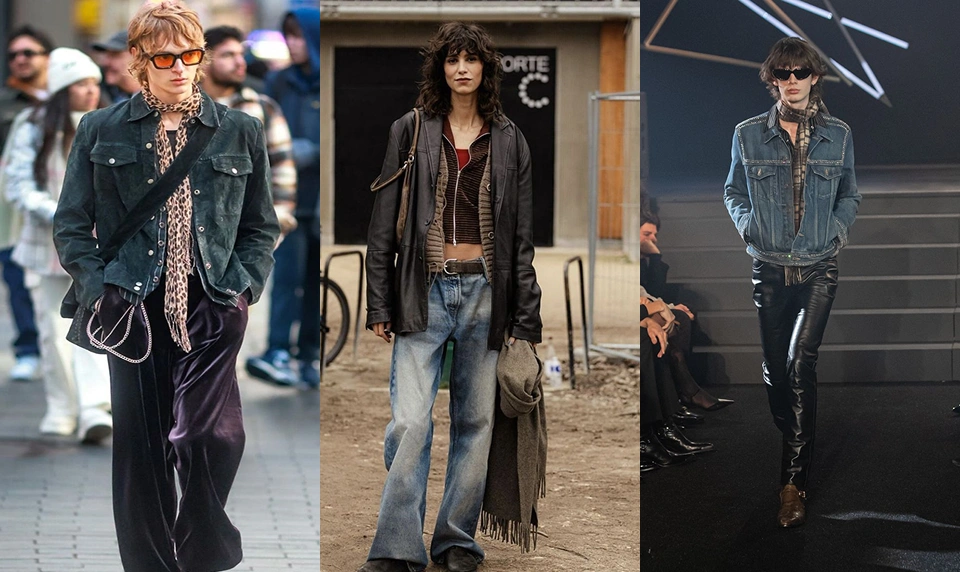
The indie sleaze era can be divided into two visual directions that exist in parallel and often overlap.
Restrained, everyday indie sleaze (casual)
These are calmer, almost intellectual looks. Cropped straight-cut coats, blazers, worn-in cardigans, straight or slightly tapered trousers. The color palette is muted: gray, brown, dark blue, faded black. Footwear includes loafers or Doc Martens. These outfits look as if they’re not following trends, but simply existing outside of time.
These are calmer, almost intellectual looks. Cropped straight-cut coats, blazers, worn-in cardigans, straight or slightly tapered trousers. The color palette is muted: gray, brown, dark blue, faded black. Footwear includes loafers or Doc Martens. These outfits look as if they’re not following trends, but simply existing outside of time.
Looser, party-oriented indie sleaze
These looks are tied to nightlife and concerts. Skinny jeans, leopard-print or faux-fur coats, graphic T-shirts, bold and intentionally messy makeup. There’s more chaos and visual noise here. This type of indie sleaze plays to Charli XCX, MGMT, and M83 — and functions more as a mood than a strict style.
These looks are tied to nightlife and concerts. Skinny jeans, leopard-print or faux-fur coats, graphic T-shirts, bold and intentionally messy makeup. There’s more chaos and visual noise here. This type of indie sleaze plays to Charli XCX, MGMT, and M83 — and functions more as a mood than a strict style.
It’s important to understand that indie sleaze is unlikely to return today as a fully independent movement the way it existed in the early 2010s. Rather, it appears as a collection of fragments, echoes, and visual quotations woven into contemporary fashion. It exists not as a unified scene, but as an aesthetic language used selectively.
We’ve also prepared a playlist featuring those very tracks from the early 2010s — the songs that played at concerts and in music players during the original indie sleaze era.
Text block is empty in the migrated content.