
Interior
Minimalism at Home: The Road to Mental Freedom
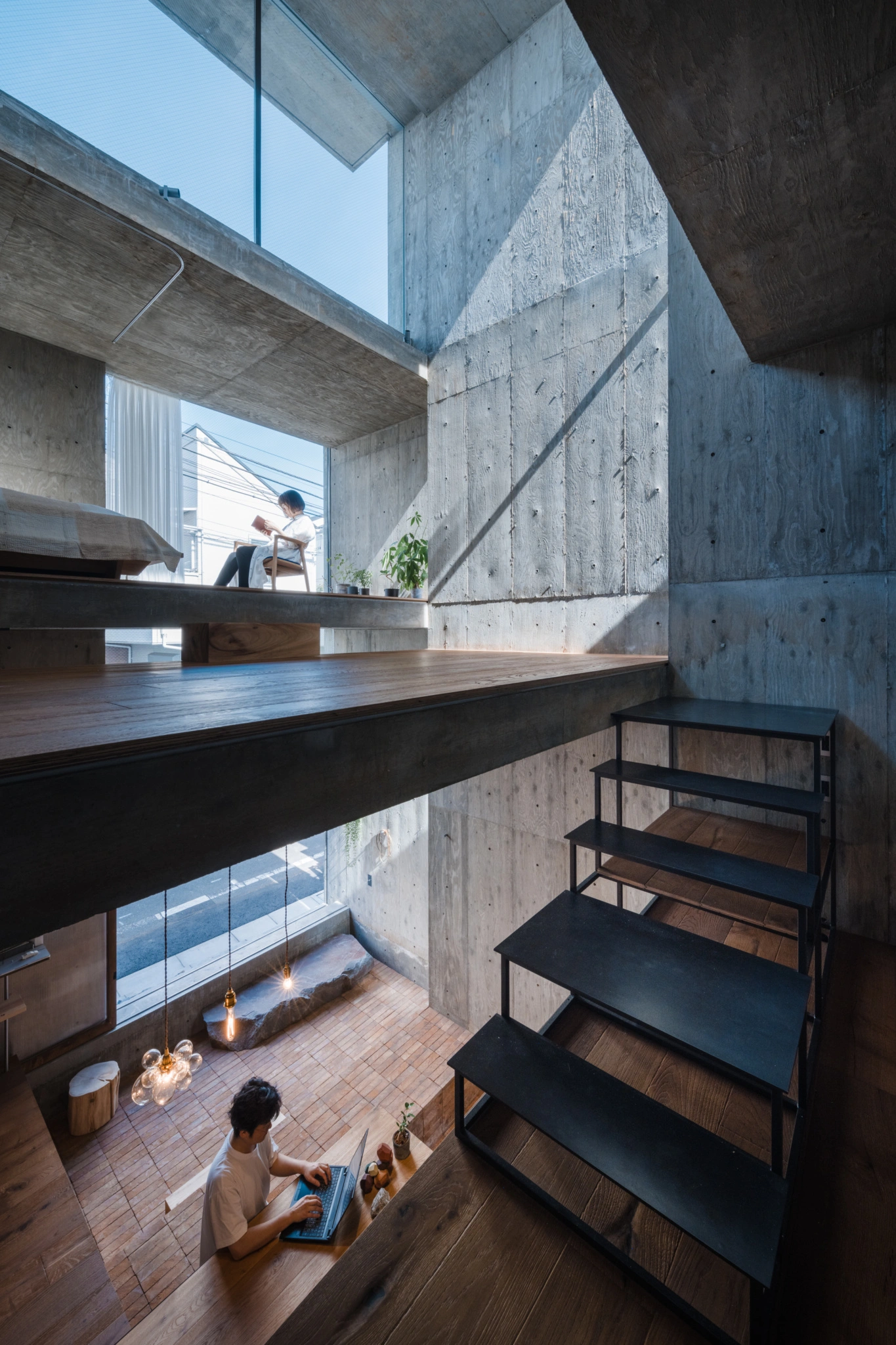
Source: igarchitects.jp
Our environment shapes our consciousness. A noisy atmosphere does not allow the mind to be freed for deep thinking, contemplation, and creation. The objects and materials that fill a home should be in visual harmony, complement each other, and have a clear reason for being there: to fit beautifully into the interior, hold personal value, be functional, or satisfy a basic need.
Keeping these principles in mind makes it easy to understand whether you really need a particular item. Equally important is where it is placed. If an object is meaningful but doesn’t match the overall look, you can hide it so it doesn’t create visual noise—or, on the contrary, integrate it into the interior so that it becomes an accent.
If your apartment feels small or poorly organized, take inspiration from the YouTube channel Never Too Small. We’ve selected the most interesting design solutions to help you rethink your usual surroundings, make them more minimalist and practical, and free your mind from visual clutter.
A compact seven-story house where each level serves a distinct purpose: office, kitchen, living room, dining area, bedroom with a view of greenery. Staircases and a six-meter-high bookshelf double as storage, seating, and design elements.
Japanese boho style in a 19th-century Victorian home. A cocoon-like sleeping module, semi-transparent shoji-style screens, minimal built-in furniture, and natural materials create a warm, spacious, and flexible interior.
A diamond-shaped floor plan, sliding doors, arches, and built-in storage. Light-colored walls, plywood, and wood add coziness and visual lightness, while multifunctional zones make the space adaptable.
White and pale walls combined with plywood and wood create a sense of comfort and “lighten” the room, making it brighter and cleaner.
Minimalism in the apartment of designer Rick Owens
A completely different example of skillful minimalist design is shown by designer Rick Owens in his Italian apartment. Rick demonstrates a life with no place for excess clothing or unnecessary trappings of modern life—only aesthetics, memories, and the energy of the space.
Reimagining the space you live in is reimagining yourself. Every element should pass through these questions: Is it in the right place? What value does it carry? Does it have aesthetic appeal? Is it integrated with the whole space?
Extreme minimalism
Sometimes this can lead to radical minimalism. And that, too, has its place—to realize how important certain things are, and also whether they are important at all. From this idea, you should build your space. In this context, take a look at the review of a small studio owned by Sibu, a Japanese minimalist who has mastered the art of living with less. The creator himself runs a YouTube channel where he visits people who struggle to let go of unnecessary belongings, helping them by explaining how to get rid of unwanted clutter.